

The Ayurvedic diet, rooted in ancient Indian medicine, emphasizes a holistic approach to nutrition. This system understands that food is not merely sustenance; it shapes our bodies, minds, and overall well-being. In an age where diet trends often focus on quick fixes and rigid rules, Ayurvedic principles encourage a personalized and balanced relationship with food. By exploring these time-tested guidelines, individuals can gain clarity and insights that align with current nutritional needs, fostering long-term health in a way that respects individual differences.
Foundation of Ayurvedic Nutrition

Ayurvedic nutrition is deeply rooted in the understanding of the three doshas—Vata, Pitta, and Kapha—unique energy types influencing both physical and mental characteristics. Recognizing your dominant dosha is crucial, as it underpins dietary recommendations tailored to align and balance individual constitution.
Understanding the Doshas
Each person possesses a distinct combination of Vata, Pitta, and Kapha, often with one or two being more dominant. Vata governs movement in the body and is linked to air and space. It’s characterized by qualities like dryness and lightness. Individuals with a dominant Vata dosha may benefit from warm, moist, and grounding foods that soothe their airy nature.
Pitta reflects the fire and water elements, embodying transformative energy with attributes of heat and intensity. Those with a stronger Pitta dosha typically thrive on cooling and mildly spiced foods that help balance their fiery vigor and prevent overheating.
Kapha is associated with earth and water, representing stability and structure. It has qualities of heaviness and solidity, and for those with a Kapha dominance, light, dry foods that invigorate and stimulate energy levels are beneficial.
To determine your dosha, consider both physical traits and behavioral tendencies. Observing digestion patterns, body structure, and emotional responses can provide insights into the predominant dosha.
Seasonal Eating in Ayurveda
Ayurveda advocates for eating in harmony with seasonal changes to maintain balance. Each season has inherent qualities that either aggravate or pacify specific doshas. For instance, in the dry, cold winter, Vata is more prone to aggravation, necessitating warm and nourishing meals. During the hot summer months, Pitta may become imbalanced, requiring cooling foods to sustain equilibrium.
Eating seasonally not only complements the body’s natural rhythms but also supports sustainable farming practices. By adapting your diet to the cycles of nature, you ensure a diversified nutrient intake and minimize environmental impact, echoing the insights shared in eco-smart kitchen storage.
The Qualities of Food
In Ayurveda, food is categorized by its intrinsic qualities known as gunas. These qualities include heavy-light, hot-cold, and dry-moist. Understanding these attributes is pivotal to customizing dietary choices that resonate with your doshic constitution. For example, light and dry foods are ideal for countering Kapha’s heaviness, whereas hot and spicy dishes balance Vata’s cold.
Practical Tips for Dosha-Aligned Nutrition
- Identify Your Dosha: Observe your physical and mental traits to recognize predominant characteristics.
- Choose Foods Wisely: Align your meals with your dominant dosha qualities. Kapha types should opt for lighter, stimulating foods, while Vata individuals might focus on warm, grounding dishes.
- Adapt to Seasons: Modify your diet according to seasonal influences to maintain harmony and balance.
- Mindful Eating: Embrace the practice of conscious consumption to enhance digestion and overall well-being.
Incorporating these principles into daily life fosters not just physical health but also mental clarity and emotional tranquility. Understanding the interplay of doshas and food choices brings profound benefits, bridging timeless wisdom with contemporary living.
Practical Insights for Everyday Eating
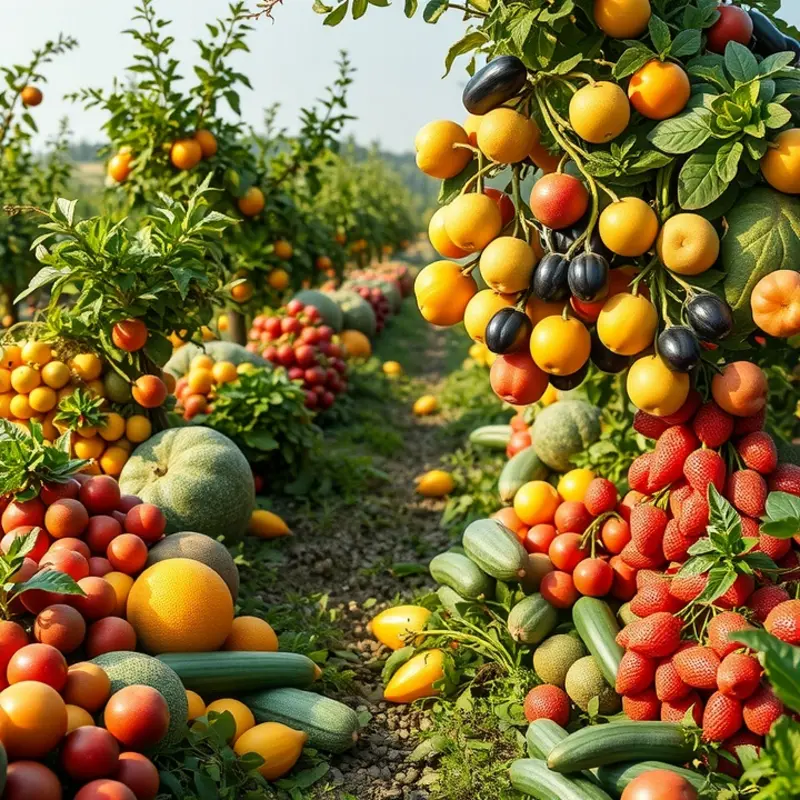
Incorporating Ayurveda into your daily eating habits can transform your meals into nourishing experiences tailored to your unique constitution. Ayurveda, the ancient Indian system of medicine, focuses on balance and synergy within the body, mind, and environment. Here, we delve into practical insights to seamlessly blend its principles into modern life.
Mindful Eating Practices
Mindful eating is about paying full attention to the experience of eating. Ayurveda emphasizes eating with intention and gratitude, savoring each bite, and listening to the body’s signals of hunger and satiety. Practice eating away from distractions like screens, allowing you to fully engage with your meal.
Consider the article on addressing unconscious eating for insights on cultivating mindful habits that enhance your dining experience.
Optimal Meal Timing
Eating at the right times can support digestion and energy levels. According to Ayurveda, lunch should be the largest meal, consumed when the sun is at its peak, as digestion is most robust at this time. A lighter dinner earlier in the evening can aid in a restful night’s sleep.
Incorporating Dosha-Balancing Spices
Spices play an essential role in Ayurvedic cooking, known for their ability to balance the doshas: Vata, Pitta, and Kapha. For Vata, warming spices like ginger and cinnamon can be grounding. Pitta types might benefit from cooling spices such as coriander and fennel. Kapha individuals thrive with stimulating spices like black pepper and turmeric.
These spices not only add flavor but also enhance digestion and overall well-being. Experimenting with these in your daily cooking can personalize your meals, supporting your unique dosha balance.
Seasonal and Local Ingredients
Ayurveda aligns eating with nature’s cycles, advocating for seasonal and local ingredients. This approach ensures that your body receives nutrients suited to the season’s demands. Spring might encourage lighter, detoxifying foods such as leafy greens. In contrast, winter calls for warm, hearty dishes like well-cooked grains and root vegetables.
Creating Simple, Delicious Meals
Ayurvedic meals don’t need to be complex. Simple, balanced dishes with a variety of flavors can nourish the body and please the palate. Start with a base of whole grains or legumes, add colorful vegetables, and finish with appropriate spices and fresh herbs.
For those seeking convenience in meal preparation, consider exploring minimal prep dinner ideas to incorporate Ayurvedic principles without extensive time commitments.
Ayurveda is about harmonizing with your body’s needs and the environment. Implementing these principles can transform everyday eating into a holistic practice, enhancing both physical and mental wellness.
Final words
Ayurvedic diet principles offer a refreshing and holistic approach to nutrition. By understanding your unique constitution and how it interacts with various foods, you can craft a personalized eating experience that nourishes your body and mind. Integrating these age-old guidelines encourages not just dietary changes, but a lifestyle alignment with nature. As you navigate the multitude of modern diet trends, consider embracing the wisdom of Ayurveda to foster lasting health and vitality. By appreciating the balance, individuality, and harmony that the Ayurvedic diet promotes, you can take meaningful steps toward a nourishing and fulfilling culinary journey.